useNature.com ... useNature Permaculture & Sustainable Gardening
Permaculture - Sustainable Living
Natural Health & Lifestyle Directory
useNature's Lifestyle Magazine & Holistic Articles

Australia Permaculture - Sustainable Farming - Research
... compiled by Dieter L. - Gold Coast Hinterland
What is Permaculture?
Permaculture emerged in the mid-1970s as an accessible system of ecological design. The principles and ethics of permaculture design guide the development of sustainable human settlements and sustainable farms. It encourages the restoration of degraded soils, land, catchments and ecological systems and the protection of intact systems. It can also be described as an eco-values system for choosing to live a sustainable lifestyle - as individuals or as a community.
The actual word 'Permaculture' was derived from the words Permanent and Culture, and Permanent Agriculture.
The concepts, ideas, strategies and philosophy of permaculture were first set out in 1978 in 'Permaculture One', a book written by Bill Mollison and his student, David Holmgren. Since then, the permaculture design system has rippled out from Tasmania to over 120 countries and the word has become synonymous with sustainability and eco-living.
Permaculture design principles are based on close observation of nature, traditional sustainable cultures and agriculture systems, earth sciences and common sense. These design principles can be summarised as:
-
design to support and protect diversity
-
design of resilient systems that are flexible and adaptable
-
design to facilitate cooperation, connection, reconnection and well being
-
design using nature's design, flows and cycles
-
design simple, effective and accessible solutions
Permaculture is the harmonious integration of landscape and people providing their food, energy, shelter, and other material and non-material needs in a sustainable way. It is also the conscious design and maintenance of agriculturally productive ecosystems which have the diversity, stability and resilience of natural ecosystems.
We did not inherit this land from our fathers. We are borrowing it from our children.
- Amish Proverb -
- Dieter L. Editor -


 Dieter Lüske - Editor
N.D.-D.C.H.-D.M.H.-.DH
Editor's Articles
useNature Info Blog

Art Studio Giselle
Creative Art Classes
Learn to draw or paint in an art inspired, creative atmosphere on 5 acres of Gold Coast Hinterland's
beautiful landscaped gardens.
Canungra
useNature's Organic Gardens
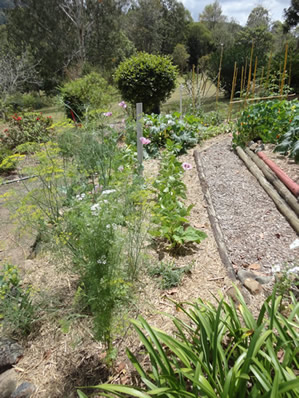
Organic Garden Beds
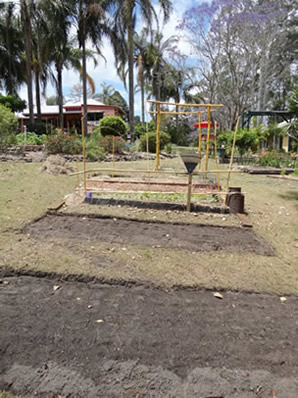
New Garden Beds preparations
© 1998 - 2019 useNature.com: Australia - Natural Health and Lifestyle Directory - Allied Holistic Health Information Services
Site Map - Terms / Privacy - Global Health | Free Alpha Music | Photography | Natural Links |