useNature.com ... for Holistic Health & Lifestyle - Menopause
Treatments for Natural Menopause & Hot Flushes
... compiled by Dieter L. - Gold Coast
Author of Chaos in Brainland - Creating a Stress & Anxiety Free Zone
Menopause is a natural part of life, and as long as it is not complicated by other health problems or symptoms, it should not be confused with a disease..
Menopause can be a challenging and turbulent time in a woman's life.
Most symptoms are caused by hormonal changes, while others are made worse or brought on by related health complications, and others again may have something to do with a change in life and lifestyle itself, eg; kids are out of home, changes on the workplace, and a possible re-valuation of life.
Some of the most common symptoms are:
Temporary loss of libido, hot flushes, itchy skin, mental confusion, depression and mood swings, loss of control and difficult to reconcile mature adult life.
Hormonal changes are not the only changes.
Obviously, as one gets older, other physical changes are noticeable too, and often are more obvious because of the associated hormonal mood fluctuations. Skin tone may change and bone density loss may cause skeletal problems.
Symptomatic relief can be achieved through diet change, herbs, homeopathy, nutritional supplements, exercise and some form of meditation, yoga or counselling.
Holistic Medicine Practitioners, like Naturopaths, treat menopausal women on all levels affected - mentally, emotionally and physically.
One of the ways in which Holistic Medicine Practitioners do this, is by giving herbs that affect the hormonal balance to make a smoother transition from a menstruating to a non-menstruating woman. They can also balance the mental, emotional and physical levels with constitutional homeopathic remedies.
Equally, if not more important as the health physician in the health of the menopausal woman, is her own participation in the health process.
The following are general guidelines that will improve quality of life and decrease the potential risk hazards of osteoporosis and heart disease.
Diet:
When treating menopause with diet, focus on foods that will be both supportive and protective of your heart and bones. There have been several studies showing that postmenopausal women can reverse bone loss with calcium supplementation and weight bearing exercise, combined with a diet rich in vegetables, and low in sugar.
It is important to eat food that is rich in absorbable forms of minerals, especially calcium and magnesium.
Diet, obvioulsy also plays an important role in weight control, being overweight is just another burden on menopausal women.
Foods to eat:
Salmon, mackerel, halibut, leafy greens (kale, collard greens, chard, spinach), and generally vegetable, fruit, blueberries, black berries, and any form of organic ( non-genetically modified) soybeans.
Foods to avoid: Coffee, alcohol, softdrinks and refined corbohydrate foods.
Foods to eat in moderation: All the foods you normally eat that are not included under foods to avoid, sugar, salt and taste enhancers, as well as preservatives can cause hot-flushes.
Foods not to eat at all: The ones which trigger "your" symptoms... coffee, alcohol, sweets maybe ? ( be observant)
Physical Activity:
It is important to find some sort of physical activity that you like and that you can stick with. Take up gardening, learn how to dance, find someone to bike with, walk (with others or your dog), consider yoga or tai chi, and definitely take every opportunity to walk by parking further away from the grocery store or climbing up the stairs rather than taking the elevator.
Don't be too ambitious to start. Thirty minutes, 3 times a weeks is fine for most people. Then work this up to 1 hour 3 times a week as that is the exercise amount that the studies showing positive bone gain were maintained.
Spiritual, Mental, Emotional:
Menopause is a natural phase of a woman's life. It can be a time of great introspection that can be transformed into a new sense of freedom. Rethink menopause, embrace the positives, read books, do yoga, start an art activity, anything creative, and talk to other women going through it, and finally, shout yourself a massage or facial.
Celebrate the change!
Article supplied by the editor of use Nature - Dieter Luske


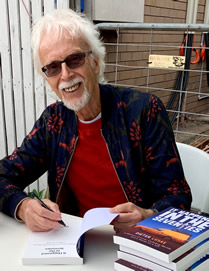
Dieter Luske - Author
useNature Editor
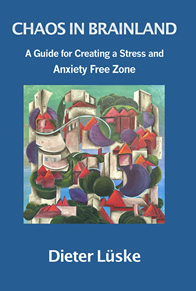
Overcome
Chaos in Brainland
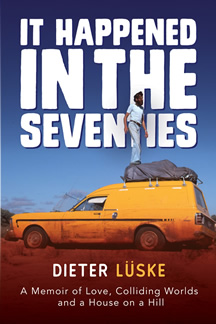
It happened in the seventies
Intriguing story of risk-taking & self-discovery
© 1998 - 2025 useNature.com: Australia - Dieter Luske - Writer - Creative Lifestyle Portal - Natural Holistic Health - Books & Art | Site Map - Terms | Free Alpha Music
*Disclaimer: Information provided is intended for general/personal use only. It should NOt be understood as medical advice.